Government-Approved Global Partner
Life After Ausbildung in Germany: Career Opportunities After Training
September 15, 2026
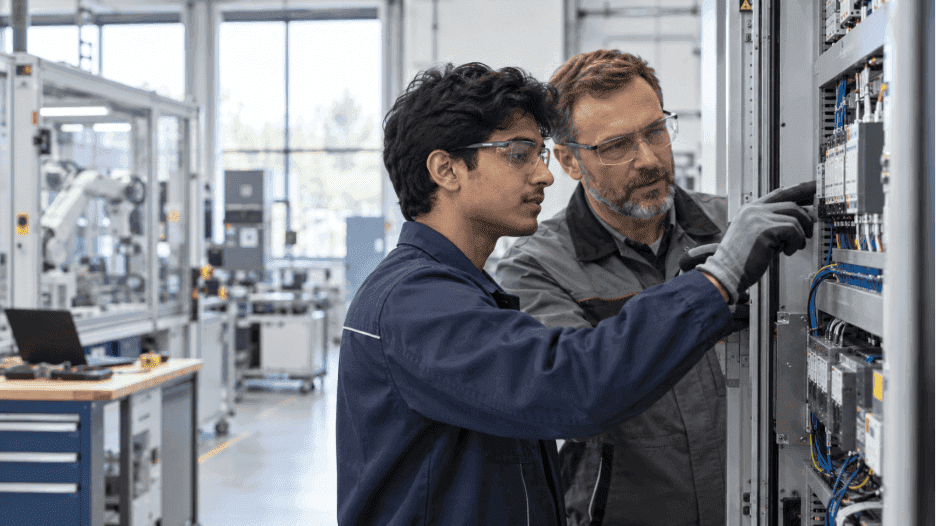
Completing an Ausbildung is an important professional milestone, but it is not the end of the learning process. It marks the transition from being an apprentice to working as a qualified professional.
Life after Ausbildung can include joining the company where you completed your training, applying to other employers, building experience in your profession or pursuing an advanced qualification. Your next step will depend on your occupation, performance, German-language ability, career interests and the opportunities available.
For Indian students planning vocational training in Germany, it is helpful to understand what happens after completion and how Ausbildung can support long-term professional development.
What Happens After Completing Ausbildung?
Ausbildung normally concludes with a final examination conducted by the relevant professional body. After successfully completing the examination, the apprentice becomes a qualified professional in the trained occupation.
The next stage may involve:
- Receiving an employment offer from the training company
- Applying for skilled positions with other employers
- Starting full-time work in the trained profession
- Developing specialist occupational skills
- Completing further vocational education
- Preparing for supervisory or leadership responsibilities
- Exploring long-term residence options where eligible
Graduates should begin considering these options before their training ends. Early preparation provides more time to discuss vacancies, update application documents and understand the residence conditions that may apply after Ausbildung.
Moving From Training Into Professional Employment
The transition from Ausbildung to professional employment brings greater independence and responsibility.
During training, apprentices complete tasks under supervision while developing occupation-specific knowledge. After qualification, they are expected to apply their skills more independently and contribute as trained employees.
This change may include:
- Managing tasks without continuous supervision
- Taking responsibility for the quality of work
- Communicating with customers, patients or colleagues
- Following professional safety and workplace standards
- Solving occupation-related problems
- Learning company-specific systems
- Supporting new apprentices or team members
Employers may still provide guidance during the first few months. Graduates should use this period to understand their new role, ask questions and continue improving their professional skills.
Staying With Your Training Company
Continuing with the company where you completed your Ausbildung is one of the most common career paths.
The company already understands your skills, work habits, strengths and familiarity with its processes. You also know the workplace, team and expectations, which can make the transition into qualified employment smoother.
Before completing Ausbildung, apprentices can ask their supervisor:
- Whether skilled positions may be available
- What performance is expected for continued employment
- When the company makes hiring decisions
- Which documents are required
- Whether a new employment contract will be offered
Finding a Job With Another Employer
Graduates are not limited to their training company. They can apply to other employers offering positions related to their vocational qualification.
Changing employers may help a graduate explore:
- A different work environment
- Another city or region
- A larger or more specialised company
- Different responsibilities
- New technologies or working methods
- Better opportunities for professional development
Applications may require:
- An updated CV
- The Ausbildung qualification certificate
- Examination results
- Employment or training references
- Proof of German-language proficiency
- A clear description of practical experience
Career Options Across Different Industries
Life after Ausbildung varies according to the selected profession. Germany has more than 300 recognised vocational training occupations across technical, commercial, healthcare, social and service-related sectors.
Healthcare
Nursing graduates may explore opportunities in hospitals, elder-care facilities, residential care settings and community healthcare.
Professional growth may involve gaining experience with particular patient groups, developing specialist healthcare skills or completing further qualifications.
Mechatronics and Electronics
Mechatronics graduates may work with industrial machinery, automated systems, production equipment, maintenance operations and control technology.
With experience, professionals may develop expertise in automation, testing, maintenance or particular industrial systems.
Electrical Work
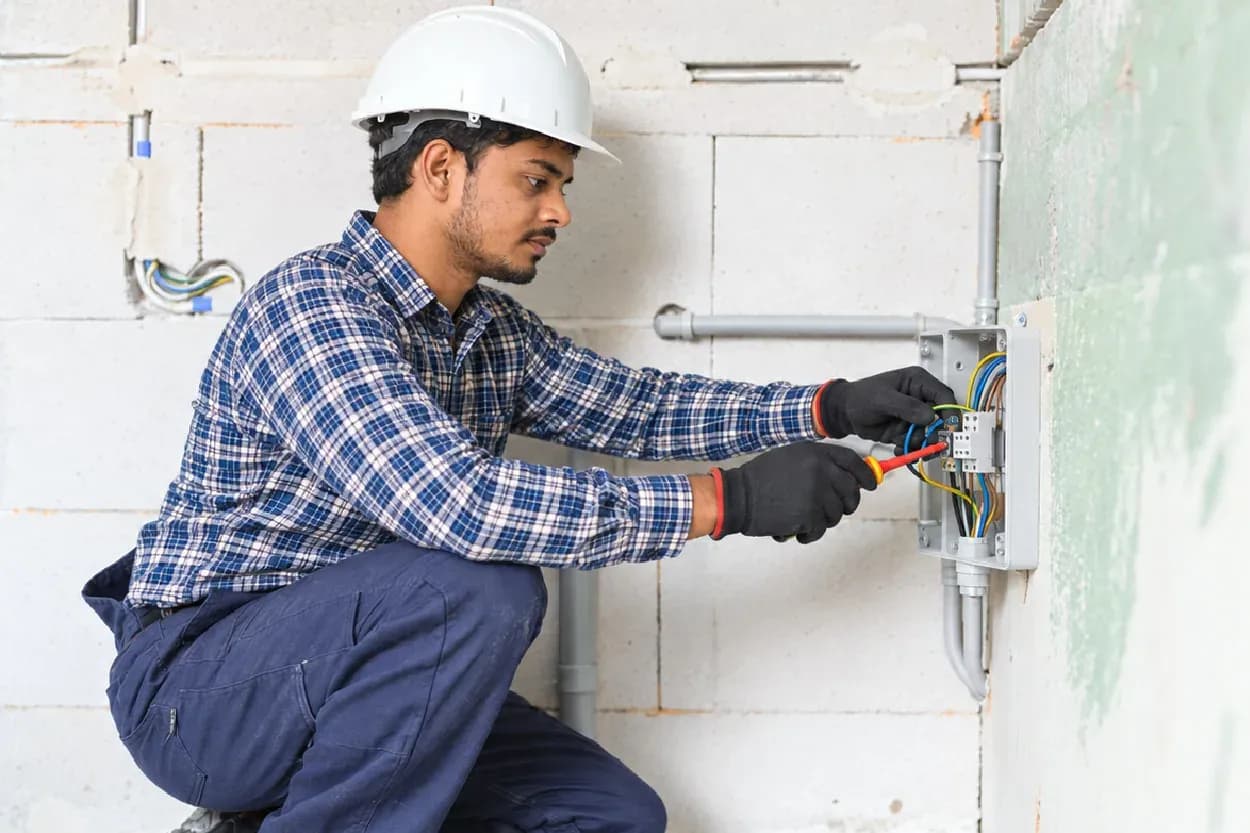
Qualified electricians may work in building services, industrial maintenance, electrical installation, communication systems, automation or construction projects.
Further technical training can support specialisation and progression towards positions involving greater responsibility.
Construction
Construction graduates may work on residential, commercial or infrastructure projects. Their work can involve building methods, measurements, machinery, tools and site operations.
Experienced professionals may specialise in a particular trade or prepare for supervisory responsibilities.
Plumbing and HVAC
Plumbing and HVAC graduates can work with water systems, heating equipment, ventilation, refrigeration and air-conditioning systems.
Career development may include specialising in installation, maintenance, repair work or energy-efficient building systems.
Logistics
Logistics graduates may work in warehouse management, inventory control, dispatch, material handling, storage and supply operations.
Experience with digital systems, workplace safety and equipment can support progression into coordination or supervisory positions.
Food Processing
Food-processing graduates may work in production, packaging, storage, equipment operation and quality-related activities.
With additional experience, professionals may move towards specialist production, safety or quality-control responsibilities.
Childcare and Education
Graduates from relevant childcare pathways may work in kindergartens, day-care centres and child-development settings.
Further education and experience can support professional growth and greater responsibility within the childcare sector.
Adjusting to Your First Skilled Role
The first job after Ausbildung may feel different from the training period. Graduates are expected to manage more responsibilities, make professional decisions and complete tasks with greater independence.
A successful transition involves more than technical knowledge. New professionals should also focus on:
- Reliability and punctuality
- Clear workplace communication
- Teamwork
- Understanding feedback
- Following safety procedures
- Managing time effectively
- Asking for guidance when necessary
- Continuing to improve German proficiency
How German Supports Career Growth
German remains important after Ausbildung. It supports communication with managers, colleagues, customers and professional organisations.
Stronger German skills can help professionals:
- Understand workplace instructions
- Participate in meetings
- Communicate with customers or patients
- Complete further training
- Understand technical documents
- Prepare for professional examinations
- Take on coordination responsibilities
- Build stronger workplace relationships
A B1 certificate may meet the requirement for certain training pathways, but professional communication continues to develop through daily use and structured learning.
Career Progression After Ausbildung
Career progression usually happens gradually. A recognised qualification provides the foundation, while experience, performance and continued learning help professionals move forward.
A typical progression may look like:
- Complete Ausbildung and pass the final examination.
- Begin working as a qualified professional.
- Build practical experience in the trained occupation.
- Develop expertise in a particular area.
- Complete relevant certifications or advanced training.
- Take on greater technical or team responsibility.
- Explore supervisory, specialist or management positions.
The exact pathway depends on the occupation and industry. Not every professional follows the same progression or timeline.
Further Learning Opportunities
Germany’s vocational education system allows professionals to continue learning after their initial qualification.
Further learning may help them update existing skills, understand new technologies or prepare for more advanced responsibilities.
Options can include:
- Occupation-specific certifications
- Technical specialisations
- Short professional courses
- Advanced vocational qualifications
- Technician qualifications
- Master craftsperson qualifications
- Supervisory or management training
- Further academic education where eligible
Updating Existing Skills
Industries change as new technologies, safety standards and working methods are introduced. Updating training helps professionals keep their knowledge relevant.
Developing a Specialisation
A professional may focus on a particular machine, technology, process, patient group or type of service.
Preparing for Leadership
Advanced vocational qualifications can support progression towards roles such as technician, supervisor, senior specialist or master craftsperson.
Long-Term Career Development
Long-term career development after Ausbildung depends on more than completing the qualification.
Professionals can strengthen their prospects by:
- Building consistent workplace experience
- Improving their German communication
- Learning new technologies
- Completing relevant qualifications
- Developing professional relationships
- Understanding industry standards
- Maintaining reliable performance
- Remaining open to new responsibilities
A successful career is normally built step by step. Ausbildung provides the professional foundation, but continued development helps graduates remain competitive and progress over time.
Support for Planning Your Next Step
Preparing for Ausbildung and building a career in Germany involves several connected stages. Indian candidates may need to understand eligibility, German-language preparation, employer selection, documentation, visa requirements, relocation and post-arrival expectations.
Magic Billion supports Indian candidates in exploring suitable international education and career pathways. Depending on the selected opportunity, this support may include profile evaluation, German-language preparation, documentation, visa assistance, placement support and post-arrival guidance.
Candidates should review the current requirements carefully and choose a pathway that matches their education, abilities, language readiness and long-term career goals.
Conclusion
Life after Ausbildung can include skilled employment, career specialisation, further vocational education and gradual professional progression.
Graduates may continue with their training company or apply to other employers within their profession. With experience, stronger German skills and additional qualifications, they can prepare for specialist, supervisory or management responsibilities.
Ausbildung does not guarantee a particular job or career outcome. However, it provides a recognised qualification, practical experience and a structured foundation from which graduates can build their professional future in Germany.
Apply to Schedule Your Interview Call
Explore Global Opportunities
 Skilled
Nurses

B.SC in Nursing or GNM
10+ openings

Germany
 Skilled
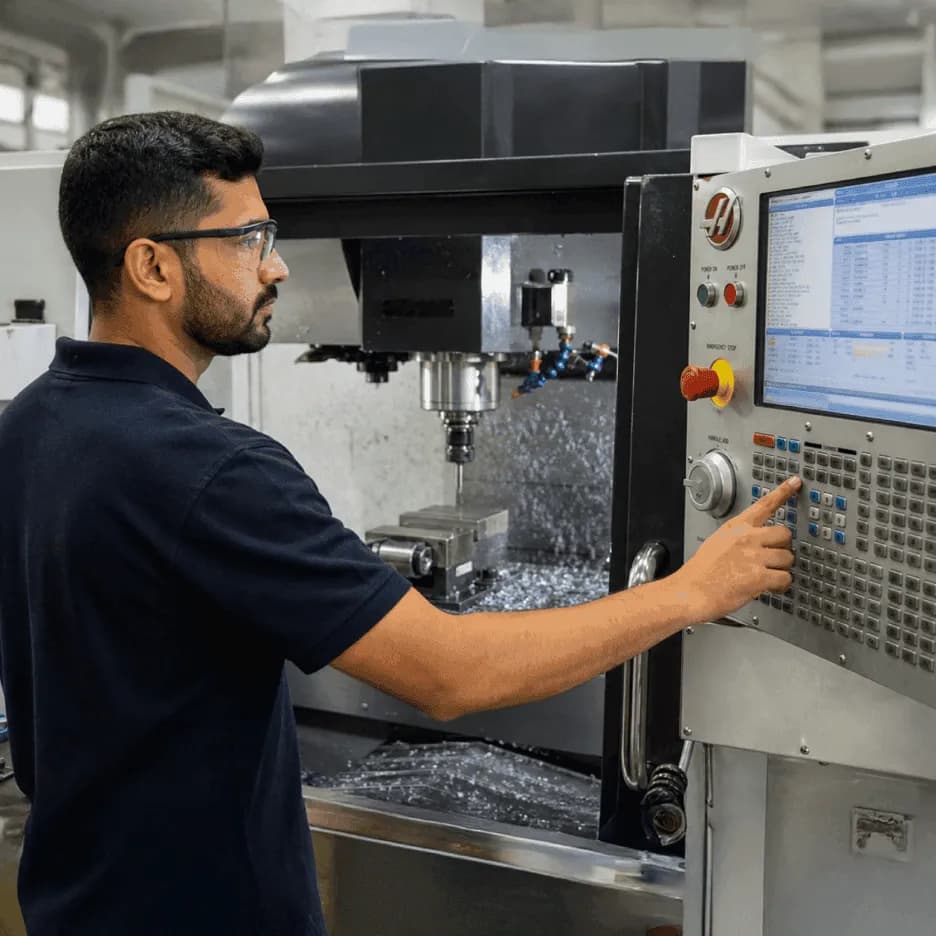
CNC Machining Operator – Machining Department
4-Year Bachelor of Technology / Engineering Minimum Work Experience Required 10–12 years of experience in CNC Machining Operations. Age 30–40 years Gender Male Driving License Mandatory Departure from India October
10+ openings
Italy
 Skilled
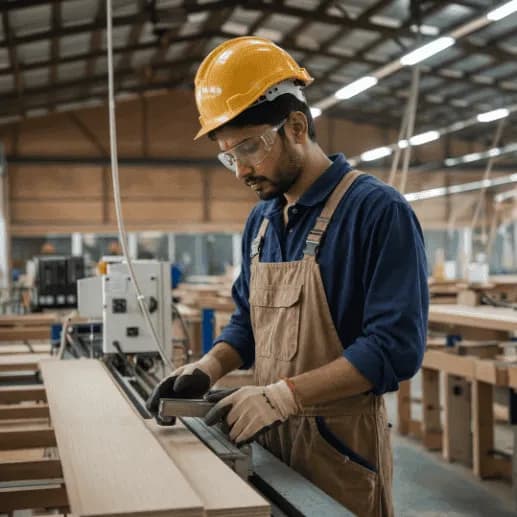
CNC Oxygen / Plasma Cutting Operator – Cutting Department
3-Year Technical Diploma / Bachelor of Science (B.Sc.) / Bachelor of Technology Minimum Work Experience Required 3–4 years of experience in CNC Oxygen and Plasma Cutting Operations. Age Under 30 years Gender Male Driving License Mandatory Departure from India September / October
10+ openings
Italy


Recent Posts

From Kerala to Belgium: How Sibin Turned Skill and Opportunity into a Global Career
August 5, 2026
Read more
Food Processing Ausbildung in Germany: Eligibility & Salary
August 4, 2026
Read more
Ausbildung Eligibility for Indian Students in 2026
August 3, 2026
Read more
High-Paying Career Options After 12th: How to Build a Career That Grows With You
August 2, 2026
Read more