Government-Approved Global Partner

Do You Need Fluent German to Work in Germany? B1 vs B2 Explained (2026)
May 7, 2026

The real requirement vs the myth that holds many candidates back
One of the biggest reasons people hesitate to apply for Germany isn’t qualification — it’s language. Not because it’s impossible, but because no one tells them what’s actually required.
But one question often stops them before they even begin:
“Do I need to be fluent in German?”
This assumption leads to delays, hesitation, and sometimes abandoning the plan entirely.
The reality is simpler: fluency is not required for most roles — but the right level at the right time is essential.
The Common Myth
A widespread belief is that you need near-native fluency before applying.
Because of this, many candidates keep postponing — waiting until their German feels “perfect.”
Meanwhile, others who started earlier move ahead.
In reality, language requirements depend on the role and industry.
What German Employers Actually Expect
Employers in Germany focus on practicality.
For most entry-level and training roles, they expect candidates to:
• Understand instructions
• Communicate basic ideas
• Work safely in a team
• Ask questions when needed
For this, B1 level is usually enough.
It’s not fluency — it’s functional communication.
Understanding B1 in Simple Terms
B1 doesn’t mean advanced fluency. It means you can manage everyday life and basic work situations.
At B1, you can:
• Introduce yourself and your background
• Handle daily tasks independently
• Understand workplace conversations
• Ask and clarify questions
• Respond to simple emails
When You Need More Than B1
Some roles require stronger language skills:
• Healthcare & nursing → B2 (patient communication is critical)
• Customer-facing roles → strong spoken German needed
• Specialised professions → sometimes C1
These may require an additional 4–6 months of preparation.
Why Language Still Matters
Even if your job allows B1, daily life happens in German — from renting a house to visiting a doctor.
So the goal isn’t perfection — it’s readiness, along with the willingness to keep improving.
The Bigger Mistake: Waiting Too Long
The real problem isn’t difficulty — it’s delay.
Many candidates spend months preparing but never actually begin applying.
Meanwhile, others start earlier and learn along the way.
You don’t need perfect German to begin.
You need enough German to start.
How Language Improves After Moving
Once you’re in Germany, learning accelerates naturally.
Daily conversations, work exposure, and real-life situations improve your language much faster than classroom learning alone.
Many candidates move from B1 to B2 within 6–9 months.
Book a free consultation
Apply to Schedule Your Interview Call
Explore Global Opportunities
 Skilled
Nurses

B.SC in Nursing or GNM
10+ openings

Germany
 Skilled
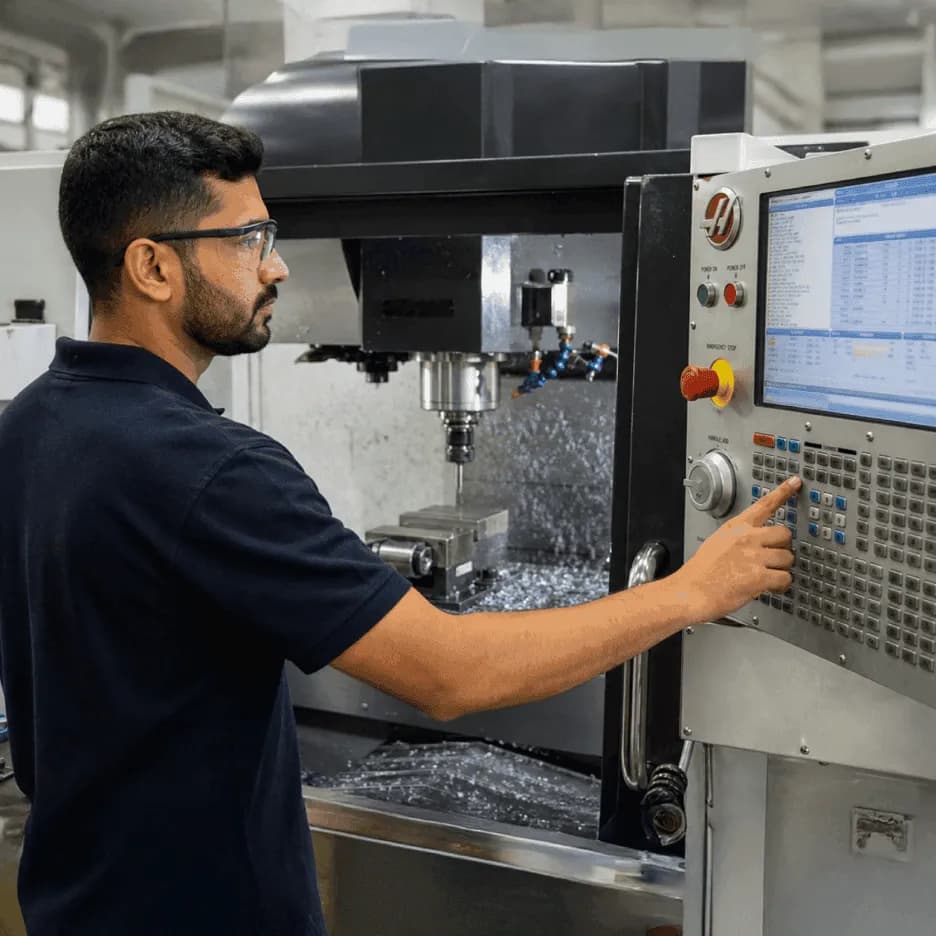
CNC Machining Operator – Machining Department
4-Year Bachelor of Technology / Engineering Minimum Work Experience Required 10–12 years of experience in CNC Machining Operations. Age 30–40 years Gender Male Driving License Mandatory Departure from India October
10+ openings
Italy
 Skilled
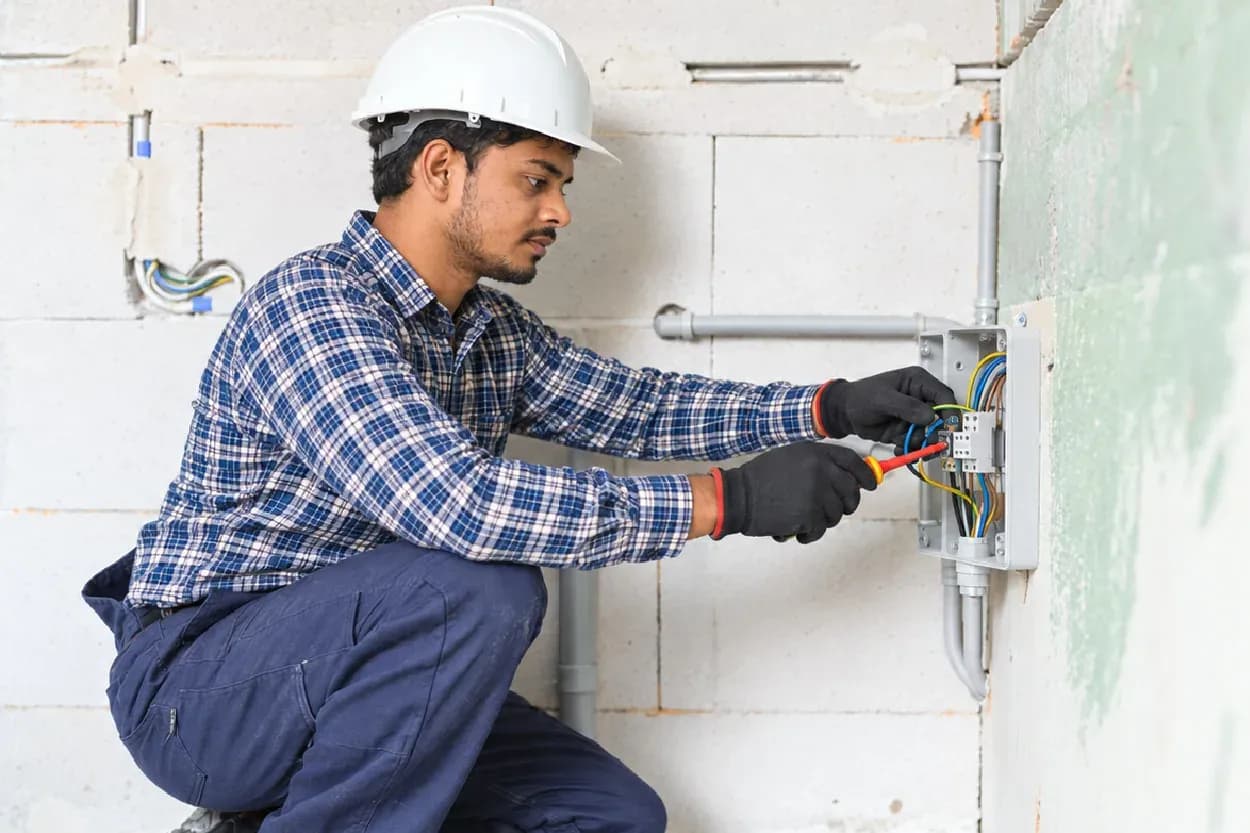
CNC Oxygen / Plasma Cutting Operator – Cutting Department
3-Year Technical Diploma / Bachelor of Science (B.Sc.) / Bachelor of Technology Minimum Work Experience Required 3–4 years of experience in CNC Oxygen and Plasma Cutting Operations. Age Under 30 years Gender Male Driving License Mandatory Departure from India September / October
10+ openings
Italy


Recent Posts

From Kerala to Belgium: How Sibin Turned Skill and Opportunity into a Global Career
August 5, 2026
Read more
Food Processing Ausbildung in Germany: Eligibility & Salary
August 4, 2026
Read more
Ausbildung Eligibility for Indian Students in 2026
August 3, 2026
Read more
High-Paying Career Options After 12th: How to Build a Career That Grows With You
August 2, 2026
Read more