Government-Approved Global Partner
Ausbildung Stipend in Germany: How Much Can You Earn While Training? (2026)
July 16, 2026
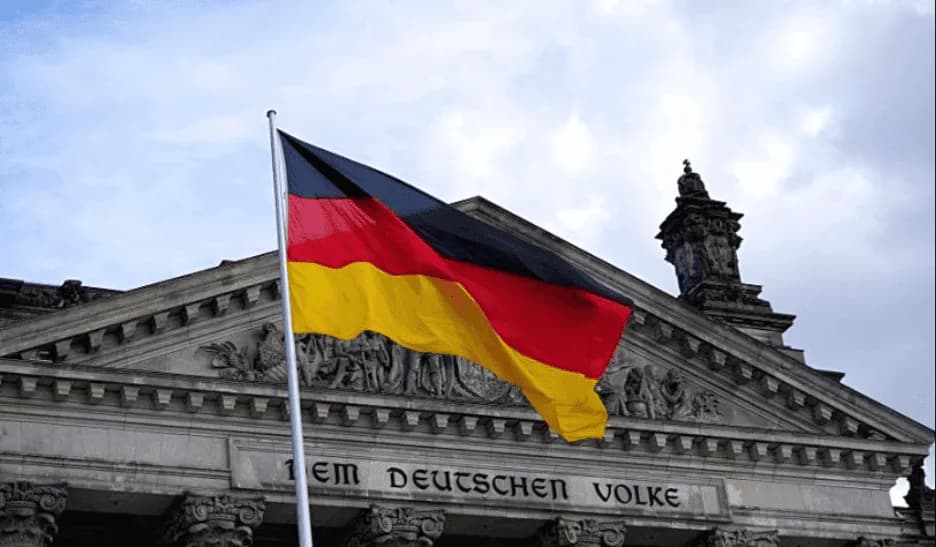
The opportunity to receive an Ausbildung stipend in Germany is one of the main reasons Indian students consider vocational training as an alternative to a traditional academic program. During Ausbildung, candidates combine classroom learning with practical training at a German employer and receive a monthly training allowance.
The stipend is paid throughout the training period and usually increases as the trainee progresses from one year to the next. The exact amount depends on the profession, employer, training year, and terms of the Ausbildung contract.
For current programs available through Magic Billion, monthly stipends generally range from approximately €982 to €1,500, depending on the course and year of training. This guide explains how the stipend works, year-wise payments, higher-paying sectors, living expenses, additional benefits, and salary after completing Ausbildung.
What Is an Ausbildung Stipend?
An Ausbildung stipend is the monthly amount paid to a trainee during vocational training. It may also be described as an apprenticeship salary or training allowance.
Unlike a conventional student who only attends classes, an Ausbildung trainee spends part of the program working with an employer. Candidates perform supervised workplace responsibilities, develop practical skills, and attend vocational school for profession-specific education.
The stipend compensates trainees for their participation in the workplace component of the program. However, it should not be confused with the salary of a fully qualified employee.
Stipend vs Full-Time Salary
During training, candidates are still learning their profession. Their monthly payment is therefore structured as a training allowance.
After successfully completing Ausbildung, candidates can move into qualified employment and receive a higher professional salary based on their occupation, employer, location, and experience.
Year-Wise Ausbildung Stipend in Germany
Many three-year Ausbildung programs currently available through Magic Billion follow a similar stipend structure:
- Year 1: €1,048 per month
- Year 2: €1,100 per month
- Year 3: €1,150 per month
This structure currently applies to programs such as:
- Food Processing
- Logistics
- Mechatronics
- Nursing
- Plumbing and HVAC
The gradual increase reflects the trainee’s developing skills, workplace experience, and ability to handle greater responsibility.
Not every program follows the same payment structure. Electrician, Construction, and Kindergarten Teacher pathways have different stipend amounts and durations.
Ausbildung Stipend by Program
Food Processing Ausbildung
Food Processing trainees learn about safe food preparation, hygiene, machinery, packaging, storage, and cold-chain operations.
Monthly stipend:
- Year 1: €1,048
- Year 2: €1,100
- Year 3: €1,150
After training, the starting salary is approximately €2,100–€2,200 gross per month.
Logistics Ausbildung
Logistics trainees develop skills in receiving goods, warehousing, inventory records, packing, labelling, dispatch, and workplace safety.
Monthly stipend:
- Year 1: €1,048
- Year 2: €1,100
- Year 3: €1,150
The expected salary after completion is approximately €2,100–€2,200 gross per month.
Mechatronics Ausbildung
Mechatronics combines mechanical, electrical, electronic, and automation-related training.
Monthly stipend:
- Year 1: €1,048
- Year 2: €1,100
- Year 3: €1,150
After qualification, candidates may earn approximately €2,100–€2,200 gross per month.
Nursing Ausbildung
Nursing trainees learn patient care, health monitoring, hygiene, clinical support, and communication within healthcare settings.
Monthly stipend:
- Year 1: €1,048
- Year 2: €1,100
- Year 3: €1,150
Post-completion salary is approximately €2,100–€2,200 gross per month under the current program.
Electrician Ausbildung
Electrician Ausbildung follows a four-year stipend structure.
Monthly stipend:
- Year 1: €982
- Year 2: €1,000
- Year 3: €1,050
- Year 4: €1,150
After training, salaries start from approximately €2,100 gross per month.
Construction Ausbildung
Construction trainees receive different stipend ranges based on the year of training.
Monthly stipend:
- Year 1: €985–€1,059
- Year 2: €1,080–€1,230
- Year 3: €1,189–€1,490
After qualification, candidates may earn approximately €2,500–€3,000 per month, excluding allowances.
Kindergarten Teacher Ausbildung
The Kindergarten Teacher pathway includes a preparation phase and an Ausbildung stage.
Monthly stipend:
- Preparation phase: Approximately €1,200
- During Ausbildung: Approximately €1,300–€1,500
After completion, the salary may range from approximately €2,500 to €3,500 per month.
Highest-Paying Ausbildung Sectors
Based on the current Magic Billion program details, Kindergarten Teacher and Construction offer some of the stronger stipend and post-completion salary ranges.
| Ausbildung Program | Monthly Stipend | Salary After Completion |
| Kindergarten Teacher | €1,200–€1,500 | €2,500–€3,500 |
| Construction | €985–€1,490 | €2,500–€3,000 |
| Mechatronics | €1,048–€1,150 | €2,100–€2,200 gross |
| Nursing | €1,048–€1,150 | €2,100–€2,200 gross |
| Logistics | €1,048–€1,150 | €2,100–€2,200 gross |
| Food Processing | €1,048–€1,150 | €2,100–€2,200 gross |
| Plumbing & HVAC | €1,048–€1,150 | €2,100–€2,200 gross |
| Electrician | €982–€1,150 | From €2,100 gross |
The highest stipend should not be the only factor when selecting a program. Candidates should also consider eligibility, job responsibilities, work environment, and long-term career suitability.
Living Expenses vs Ausbildung Stipend
The cost of living in Germany varies according to the city, accommodation type, transport choices, and personal spending habits.
Common monthly expenses may include:
- Accommodation
- Food and groceries
- Local transport
- Phone and internet
- Personal expenses
- Insurance or other applicable payments
Because these costs differ significantly, the stipend should not be treated as guaranteed disposable income. Candidates should review the employer contract, location, accommodation arrangement, and expected expenses before departure.
A higher stipend in an expensive city may not necessarily provide more spending power than a slightly lower stipend in a more affordable location.
Can Ausbildung Students Save Money?
The possibility of saving depends on the trainee’s stipend, deductions, living expenses, and lifestyle.
Some candidates may be able to save a portion of their monthly stipend in Germany by:
- Choosing shared or reasonably priced accommodation
- Preparing meals instead of eating out regularly
- Using public transport efficiently
- Following a monthly budget
- Avoiding unnecessary expenses
However, candidates should not assume that every stipend will automatically cover all expenses and leave significant savings. The first priority should be managing essential living costs responsibly.
Taxes and Deductions from the Stipend
The amount stated in the training contract may be a gross figure. The actual amount received can be lower after applicable statutory deductions.
Depending on individual circumstances, deductions may include:
- Social insurance
- Health insurance
- Pension-related contributions
- Applicable taxes or other statutory payments
The exact net amount varies by stipend, contract, tax circumstances, and personal situation. Candidates should review their contract and official payroll details rather than relying on a general estimate.
Additional Benefits During Ausbildung
Apart from the regular training allowance, some current Magic Billion programs include additional support.
Depending on the program, benefits may include:
- One-way flight ticket or reimbursement up to €700
- No blocked account for selected pathways
- Employer-linked practical training
- Documentation and visa support
- Pre-departure and post-arrival assistance
Benefits vary by program and employer. Applicants should confirm what is included in their specific offer rather than assuming that every benefit applies to all Ausbildung opportunities.
Salary After Graduation from Ausbildung
After completing vocational training, candidates can move from an apprenticeship salary in Germany to a full-time professional salary.
Under the current programs:
- Mechatronics, Nursing, Logistics, Food Processing, and Plumbing/HVAC graduates may earn approximately €2,100–€2,200 gross per month.
- Electrician salaries begin from approximately €2,100 gross per month.
- Construction salaries may range from €2,500–€3,000 per month, excluding allowances.
- Kindergarten Teacher salaries may range from €2,500–€3,500 per month.
Earnings can grow further as candidates gain experience, develop specialised skills, and take on greater professional responsibilities.
Germany Ausbildung Process Overview
Once you successfully apply for an Ausbildung program, the journey typically follows these steps:
- Submit Your Application – Apply for a suitable Ausbildung opportunity based on your qualifications and eligibility.
- Interview with the Employer – Attend the interview with the German employer or training company.
- Receive a Conditional Offer Letter – If selected, you’ll receive a conditional offer, usually subject to meeting language and documentation requirements.
- Complete German Language Training – Achieve the required German language proficiency, typically B1 or B2 depending on the program.
- Visa & Documentation – Prepare the required documents and submit your Germany Ausbildung visa application.
- Fly to Germany – After your visa is approved, travel to Germany and begin your vocational training.
Choose a Trusted Ausbildung Partner
Choosing a trusted agency is essential for a smooth and successful Ausbildung journey. A reliable partner offers genuine employer opportunities, transparent guidance, language training support, and assistance with documentation and the visa process. Magic Billion is one such trusted agency, helping candidates confidently navigate every step toward starting their career in Germany.
Ready to begin your journey? Apply for an Ausbildung program through Magic Billion. You can also explore current Ausbildung and Skilled Professional opportunities or find a Magic Billion training centre near you.
Conclusion
The Ausbildung stipend in Germany allows candidates to earn a monthly training allowance while developing practical skills and completing vocational education. Current program stipends generally range from approximately €982 to €1,500 per month, depending on the profession and training year.
Although the stipend can help candidates manage part of their living expenses, savings depend on location, deductions, accommodation, and individual spending. Candidates should compare the complete program—including eligibility, stipend, benefits, work environment, and salary after qualification—before making a decision.
With the right preparation and trusted support from Magic Billion, eligible Indian candidates can confidently begin vocational training and work toward a skilled career in Germany.
Apply to Schedule Your Interview Call
Explore Global Opportunities
 Skilled
Nurses

B.SC in Nursing or GNM
10+ openings

Germany
 Skilled
CNC Machining Operator – Machining Department
4-Year Bachelor of Technology / Engineering Minimum Work Experience Required 10–12 years of experience in CNC Machining Operations. Age 30–40 years Gender Male Driving License Mandatory Departure from India October
10+ openings
Italy
 Skilled
CNC Oxygen / Plasma Cutting Operator – Cutting Department
3-Year Technical Diploma / Bachelor of Science (B.Sc.) / Bachelor of Technology Minimum Work Experience Required 3–4 years of experience in CNC Oxygen and Plasma Cutting Operations. Age Under 30 years Gender Male Driving License Mandatory Departure from India September / October
10+ openings
Italy


Recent Posts

From Kerala to Belgium: How Sibin Turned Skill and Opportunity into a Global Career
August 5, 2026
Read more
Food Processing Ausbildung in Germany: Eligibility & Salary
August 4, 2026
Read moreAusbildung Eligibility for Indian Students in 2026
August 3, 2026
Read more
High-Paying Career Options After 12th: How to Build a Career That Grows With You
August 2, 2026
Read more