Government-Approved Global Partner
Ausbildung Duration in Germany: Training Timeline, Benefits and Career Opportunities
September 15, 2026
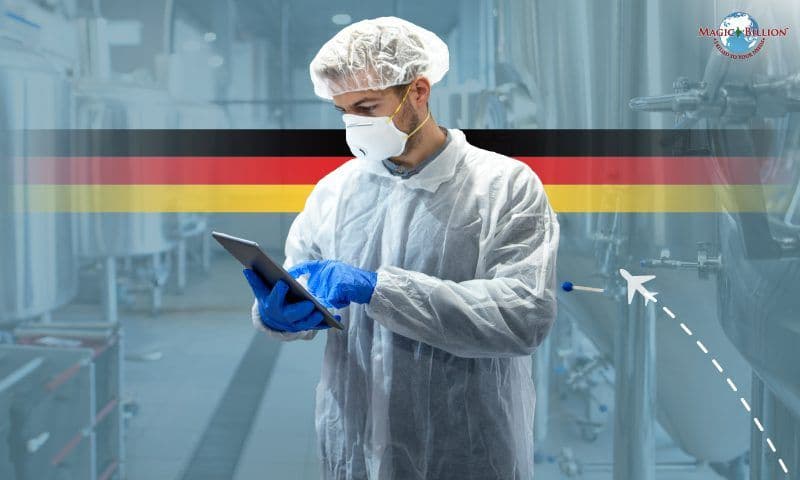
Most Ausbildung programs in the German dual system last between two and three and a half years, and the average is around three years. This duration is not decided by individual companies. Each recognised profession has an official training regulation (called an Ausbildungsordnung) that sets the standard duration, the skills to be taught, and how they are tested.
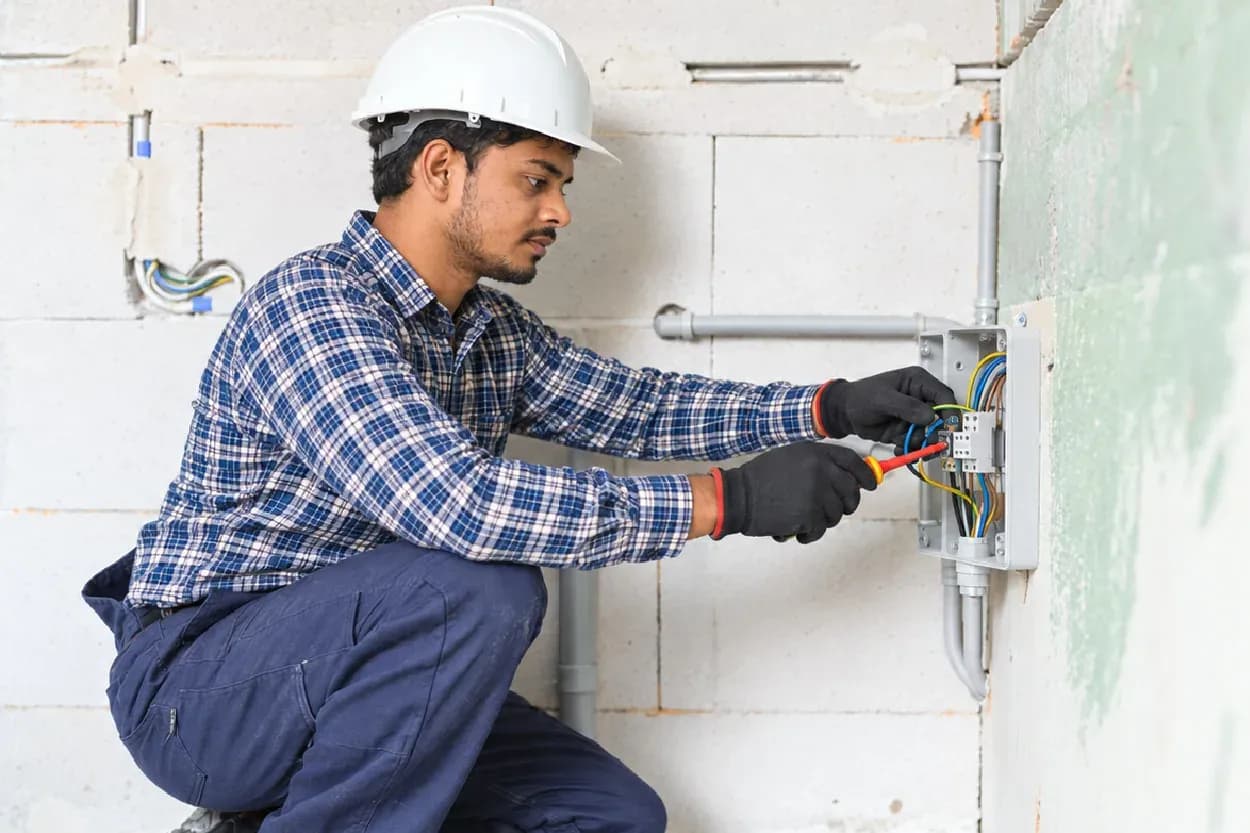
Because the duration is fixed nationally for each profession, it stays the same across all of Germany. For example, whether you train in one city or another, the same profession will have the same standard length. Germany currently has more than 300 officially recognised training occupations, so there is a wide range of fields to choose from. Most programmes fall within the two to three and a half year range, while a few run longer — for example, some electrician apprenticeships extend to four years.
|
Duration |
What It Usually Means |
|
2 years |
Shorter programs for certain professions |
|
3 years |
The most common Ausbildung length |
|
3.5 years |
Longer programs for more complex professions |
Practical and Classroom Learning Combined
Ausbildung is known as a “dual” system because you learn in two places at the same time. This mix of real work and study is what makes the training so practical.
- At the company: You spend most of your week — usually three to four days — training on the job at a company. Here you apply your skills in real situations under the guidance of experienced professionals.
- At the vocational school: You spend one to two days a week (or sometimes in longer block periods) at a vocational school, called a Berufsschule. Here you learn the theory and profession-specific knowledge behind your work.
During your Ausbildung, you are not only a learner but also an employee. You sign a training contract with your company, receive a monthly training allowance that usually increases each year, and are typically entitled to paid holiday. This is why many people describe Ausbildung as an “earn-while-you-learn” pathway.
How Ausbildung Programs Are Structured
Ausbildung follows a clear structure that builds your skills step by step. While the exact plan depends on your profession and its training regulation, most programs progress in a similar way.
Early Stage (First Year)
You start with the basics of your profession and spend more time learning foundations. For international trainees, this stage is also about adjusting to the German language and workplace culture.
Middle Stage (Second Year)
You begin to apply your skills more independently at work and continue developing both technical and soft skills. Around the middle of the training, there is usually a progress check (explained in the completion section below).
Final Stage (Last Year)
By the final year, you work almost like a full-time employee, with more responsibility. Some programs include specialisation, and you prepare for your final examination.
Duration Can Vary by Profession
The biggest reason durations differ is the profession itself. More complex fields usually take longer, while some roles can be completed in a shorter time. To make this practical, the table below shows Ausbildung programmes offered through Magic Billion, along with the typical length of each one.
|
Magic Billion Ausbildung Programme |
Typical Duration |
|
About 3 years |
|
|
About 3 years |
|
|
About 3 years |
|
|
About 3 years |
|
|
About 3 years |
|
|
About 3 years |
|
|
4 years |
|
|
Preparation phase + Ausbildung |
These durations reflect each programme’s training structure. The Electricians apprenticeship runs over four years, while most other programmes follow the standard three-year pattern, and the Kindergarten Teacher pathway includes a preparation phase followed by the Ausbildung stage. The exact duration for any profession is set by its official training regulation and is confirmed at the time of enrolment, so it is always worth checking the length for the specific programme you are interested in.
How You Complete Your Ausbildung
Completing an Ausbildung is not only about finishing the years of training — you also need to pass the required examinations. Here is how the completion pathway usually works.
- Interim check: Around the middle of the training, there is usually a progress check. In many professions this is a mid-training exam (Zwischenprüfung), and taking part in it is a requirement to be allowed to sit the final exam. In a growing number of professions, this is replaced by “Part 1” of a split final exam, taken around the middle of the training, which counts toward your final grade.
- Final exam: At the end of the training, you take a final examination (Abschlussprüfung), organised by the relevant chamber — usually the Chamber of Industry and Commerce (IHK) for commercial and industrial jobs, or the Chamber of Crafts (HWK) for skilled trades. It includes written parts and practical and/or oral parts, depending on the profession.
- Recognised qualification: Once you pass, you receive an official certificate and become a recognised skilled worker with a vocational qualification (Berufsabschluss). This qualification is recognised across Germany and the wider European Union.
A strong advantage of the system is what often happens next: according to Germany’s Federal Institute for Vocational Education and Training (BIBB), around 68% of apprentices received a job offer from their training company after completing their training. Actual outcomes vary by employer, profession, and performance.
Why the Duration Matters for Your Planning
Knowing how long Ausbildung takes helps you plan the whole journey — from language preparation and finances to your overall timeline. One important point to plan for early is German language skills. Most Ausbildung programs and visas usually require German at around B1 level, and B2 for some fields such as healthcare. Building this early makes the rest of the process much smoother.
Get Support for Your Ausbildung Journey
This is where structured guidance helps. Magic Billion is a trusted platform that supports Indian students and aspirants in exploring international education and career opportunities, including vocational pathways in Germany.
Through Magic Billion Global Skills Academy, learners can also build the German language skills that Ausbildung pathways usually require — with structured A1 to B2 programs, TELC and Goethe exam preparation, live online classes, interactive speaking practice, and counselling support to help choose the right path and plan the timeline.
Apply to Schedule Your Interview Call
Explore Global Opportunities
 Skilled
Nurses

B.SC in Nursing or GNM
10+ openings

Germany
 Skilled
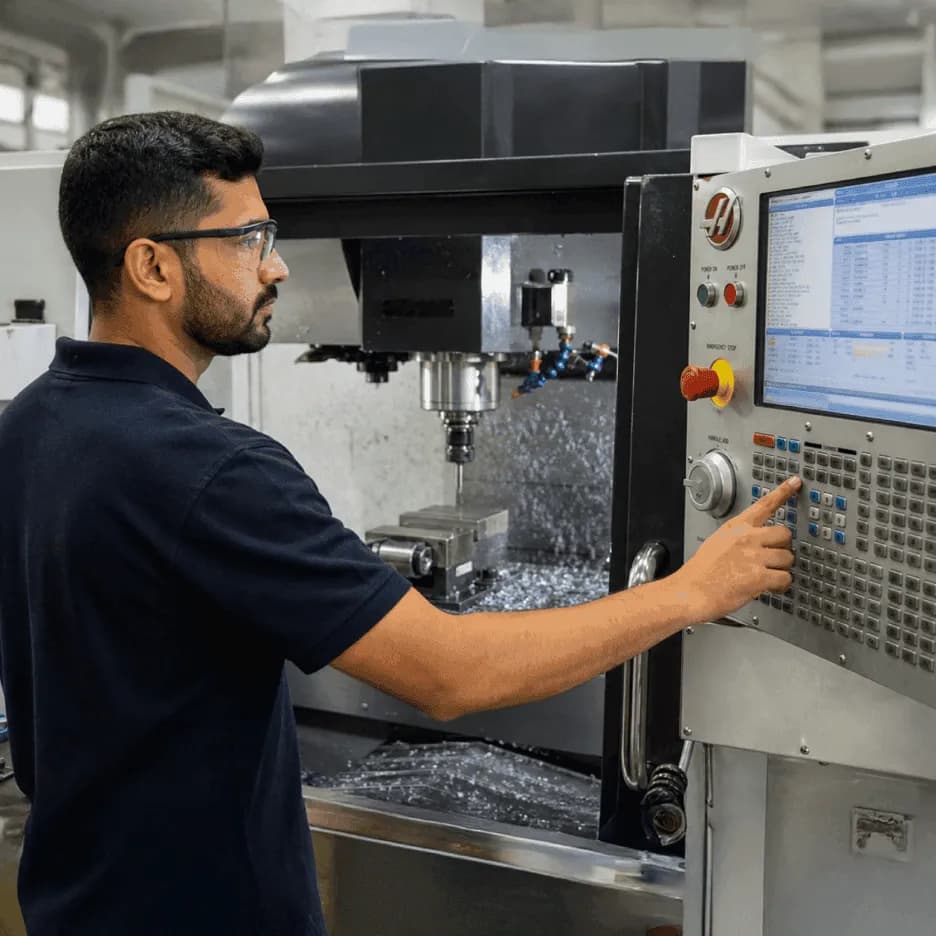
CNC Machining Operator – Machining Department
4-Year Bachelor of Technology / Engineering Minimum Work Experience Required 10–12 years of experience in CNC Machining Operations. Age 30–40 years Gender Male Driving License Mandatory Departure from India October
10+ openings
Italy
 Skilled
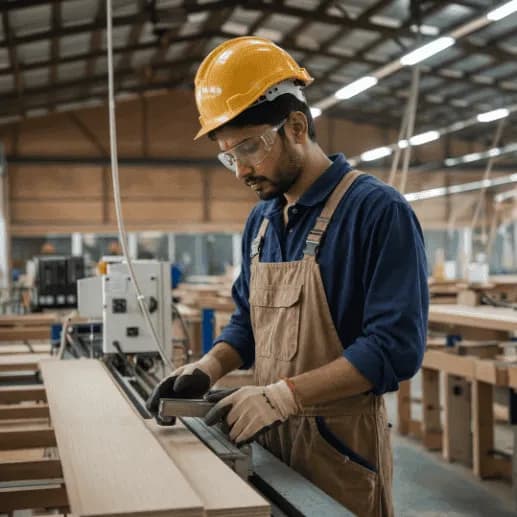
CNC Oxygen / Plasma Cutting Operator – Cutting Department
3-Year Technical Diploma / Bachelor of Science (B.Sc.) / Bachelor of Technology Minimum Work Experience Required 3–4 years of experience in CNC Oxygen and Plasma Cutting Operations. Age Under 30 years Gender Male Driving License Mandatory Departure from India September / October
10+ openings
Italy


Recent Posts

From Kerala to Belgium: How Sibin Turned Skill and Opportunity into a Global Career
August 5, 2026
Read more
Food Processing Ausbildung in Germany: Eligibility & Salary
August 4, 2026
Read more
Ausbildung Eligibility for Indian Students in 2026
August 3, 2026
Read more
High-Paying Career Options After 12th: How to Build a Career That Grows With You
August 2, 2026
Read more