Government-Approved Global Partner
7 Mistakes Indians Make When Applying for Jobs in Germany (and How to Avoid Them)
May 7, 2026

A practical, insight-led guide to navigating Germany’s structured hiring system — from CV to visa
Most candidates don’t miss opportunities because they lack capability.
They miss them because of small, avoidable mistakes — often made early in the process.
Germany continues to attract skilled Indian professionals for good reason — a structured work environment, consistent demand for talent, and clear long-term career pathways.
Yet, a large number of applicants face rejections, delays, or confusion.
Not because they’re unqualified — but because they’re unprepared for how the system actually works.
This guide breaks down the 7 most common mistakes — along with practical ways to avoid each one.
Mistake 1: Applying Without German Language Preparation
This is the most common — and most costly — mistake.
Many candidates assume English will be sufficient, especially for technical roles. While English may be used in some workplaces, most employers still expect at least B1-level German for day-to-day communication and integration.
What employers are really evaluating isn’t fluency — it’s functionality:
Can you understand instructions?
Can you communicate with a team?
Can you operate safely in a work environment?
Without this baseline, even strong candidates struggle to move forward.
How to avoid it
• Start German preparation 6–8 months before applying
• Aim for B1 certification (Goethe or telc) before interviews
• Focus equally on speaking and listening, not just grammar
• Continue applying while learning — don’t treat them as separate phases
Mistake 2: Using a Generic or Incorrect CV Format
A strong profile can get rejected in seconds if the CV doesn’t meet German expectations.
Most Indian CVs are too long, descriptive, and narrative-driven. German recruiters, on the other hand, prefer a Lebenslauf — concise, structured, and easy to scan.
They are not reading your story.
They are evaluating your fit — quickly.
What typically goes wrong
• Long paragraphs instead of bullet points
• Missing structure or inconsistent formatting
• No professional photo
• Overloaded information that hides key strengths
How to avoid it
• Use a standard Lebenslauf format
• Keep it strictly 1–2 pages
• Include: photo, contact details, education, experience, skills, languages
• Remove unnecessary sections like generic objectives
• Always send it as a PDF
Mistake 3: Applying Without Pathway Clarity
One of the most overlooked issues: candidates don’t fully understand where they fit.
Germany offers multiple entry routes, but two are most common:
• Direct employment → for experienced professionals
• Ausbildung (vocational training) → for freshers, early-career candidates, or career switchers
Applying to the wrong pathway leads to repeated rejections — not because you’re unsuitable, but because you’re misaligned.
How to avoid it
• Evaluate your experience, education, and career goals honestly
• Choose a pathway that matches your current stage — not just your aspiration
• Avoid “trial and error” applications
• Seek a structured profile evaluation if unsure
Mistake 4: Submitting Incomplete or Poorly Organised Documentation
Germany’s system runs on documentation — and precision matters.
Even small gaps can slow down or completely stall your application.
Common issues
• Missing academic certificates or transcripts
• Untranslated documents
• No apostille verification
• Inconsistent file formats or naming
These may seem minor — but they signal a lack of preparation to both employers and authorities.
How to avoid it
• Prepare all documents early:
o Academic certificates
o Transcripts
o Work experience letters
o Passport
• Get documents officially translated (German or bilingual)
• Complete apostille from MEA (India), where required
• Maintain a clean, well-labelled digital folder
• Keep physical copies ready when needed
Mistake 5: Ignoring German Workplace Culture and Expectations
Cultural alignment plays a bigger role than most candidates realise.
Germany’s work culture is structured, punctual, and direct.
Even small behavioural mismatches can affect how you’re perceived.
Where candidates struggle
• Treating punctuality casually
• Giving long, indirect answers in interviews
• Over-promising capabilities
• Being overly informal too soon
These aren’t major mistakes — but they create doubt about reliability.
How to avoid it
• Join meetings 5 minutes early
• Keep answers clear, direct, and relevant
• Be honest about your skills — credibility matters more than impressing
• Use formal communication (Herr/Frau + last name) initially
Mistake 6: Mass-Applying Without a Targeted Strategy
Sending 100 applications might feel productive — but it usually isn’t effective.
German recruiters value relevance and intent, not volume.
Generic applications are easy to spot — and often ignored.
Worse, repeated low-quality applications can affect your credibility across recruiter networks.
How to avoid it
• Apply to fewer, better-matched roles (10 strong applications > 100 random ones)
• Customise your CV and Anschreiben (cover letter) for each role
• Highlight skills that match the job description directly
• Prioritise roles where you meet at least 70% of the requirements
• Track applications systematically
Mistake 7: Underestimating the Visa Process
Many candidates assume getting a job offer is the final step.
In reality, it’s only the midpoint.
The visa process requires its own preparation — documentation, financial proof, and scheduling.
Delays here can push your timeline by months.
What candidates often overlook
• Financial proof requirements (blocked account)
• Appointment wait times
• Additional documentation requests
• Accommodation proof
How to avoid it
• Understand visa requirements early in the process
• Start preparing documents alongside job applications
• Maintain the required financial proof (approx. €11,904 for many visas)
• Book embassy appointments in advance
• Ensure passport validity covers your intended stay
The Right Approach: Avoid Mistakes by Design
Success in Germany isn’t about doing everything perfectly.
It’s about avoiding predictable mistakes.
A strong, structured approach includes:
• Early language preparation
• Clear pathway selection
• Professionally prepared documents
• Targeted applications
• Parallel visa planning
When these pieces come together, the journey becomes far more predictable — and significantly less stressful.
The difference between rejection and success is rarely skill.
It’s clarity, structure, and preparation.
✓ Key Takeaways
• B1-level German is the foundation for most roles
• Use a structured Lebenslauf — not an Indian-style CV
• Choose the right pathway (Direct vs Ausbildung)
• Documentation must be complete, translated, and organised
• Focus on quality applications, not quantity
• Treat the visa as a parallel process — not a final step
Get Expert Guidance Before You Apply
Avoid these mistakes from the start.
Get a professional review of your CV, profile, and pathway — along with a clear action plan tailored to your goals.
Book a free consultation
Apply to Schedule Your Interview Call
Explore Global Opportunities
 Skilled
Nurses

B.SC in Nursing or GNM
10+ openings

Germany
 Skilled
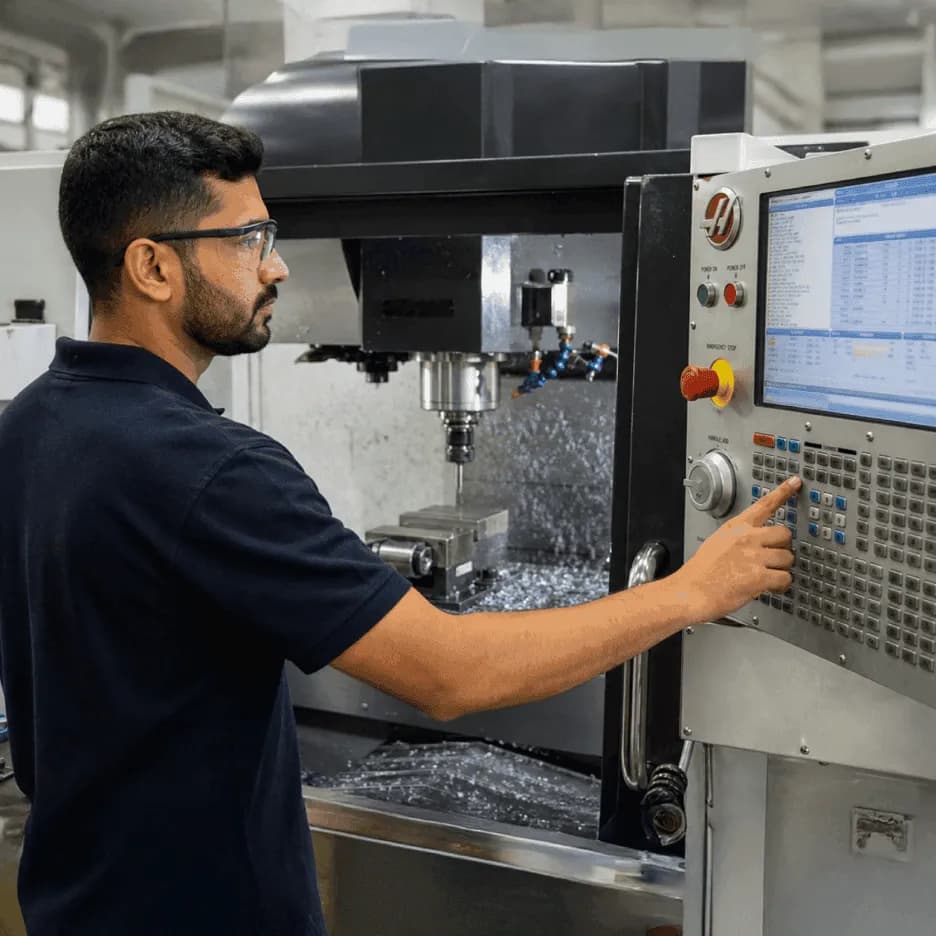
CNC Machining Operator – Machining Department
4-Year Bachelor of Technology / Engineering Minimum Work Experience Required 10–12 years of experience in CNC Machining Operations. Age 30–40 years Gender Male Driving License Mandatory Departure from India October
10+ openings
Italy
 Skilled
CNC Oxygen / Plasma Cutting Operator – Cutting Department
3-Year Technical Diploma / Bachelor of Science (B.Sc.) / Bachelor of Technology Minimum Work Experience Required 3–4 years of experience in CNC Oxygen and Plasma Cutting Operations. Age Under 30 years Gender Male Driving License Mandatory Departure from India September / October
10+ openings
Italy



Recent Posts

From Kerala to Belgium: How Sibin Turned Skill and Opportunity into a Global Career
August 5, 2026
Read more
Food Processing Ausbildung in Germany: Eligibility & Salary
August 4, 2026
Read more
Ausbildung Eligibility for Indian Students in 2026
August 3, 2026
Read more
High-Paying Career Options After 12th: How to Build a Career That Grows With You
August 2, 2026
Read more